Cushion Covers Dubai: The Ultimate Styling Guide for Sofa Cushions
If you have ever walked into a beautifully styled home and wondered what makes it feel so put together, the answer is often hiding in plain sight on the sofa. Cushion covers are one of the cheapest, fastest, and most effective ways to transform a living room without committing to a full furniture overhaul. In a city like Dubai, where interiors range from minimalist apartments to opulent villas, the right sofa cushions can instantly elevate your space, reflect the seasons, and tie your entire room together.
In this guide, we will walk through everything you need to know about choosing cushion covers in Dubai: the best fabrics for our climate, how to mix and match patterns, sizing rules that designers swear by, and how to coordinate your cushions with rugs and carpets for a cohesive look.
Why Cushion Covers Matter More Than You Think
It's easy to treat cushions as an afterthought, something you grab last when decorating a room. But interior designers consistently point to cushions as one of the highest-impact, lowest-cost styling tools available. A sofa in a neutral fabric can look like five different sofas depending on which cushion covers you pair with it.
There are a few reasons cushion covers deserve more attention:
-
Affordability: Reupholstering a sofa or buying a new one is expensive. Swapping cushion covers costs a fraction of that and delivers a similarly dramatic visual change.
-
Flexibility: You can change your cushion covers with the seasons, for festive occasions, or simply when you feel like refreshing your space.
-
Texture and depth: Cushions introduce texture, whether that's a plush velvet, a woven boucle, or a crisp linen, which adds visual depth that a flat sofa fabric alone cannot achieve.
- Color anchoring: Cushions are an easy way to pull accent colors from your curtains, carpet, or wall art into your seating area.
Choosing the Right Fabric for Dubai's Climate
Dubai's climate is unique, and it should influence the materials you choose for cushion covers. Most homes run air conditioning for the majority of the year, which means indoor humidity tends to be moderate, but dust can be more present than in cooler climates due to the surrounding desert environment.
Cotton and cotton-linen blends are a reliable everyday choice. They are breathable, easy to clean, and hold their color well over time. They work particularly well in living rooms that get a lot of natural light, since cotton tends to resist fading better than some synthetic blends.
Velvet is a favorite for Dubai homes that want a touch of luxury. It pairs beautifully with gold accents, marble flooring, and rich jewel-toned interiors that are popular in the region. The only consideration is that velvet can show dust more visibly, so it benefits from a quick vacuum or lint roller pass every week or two.
Boucle and textured weaves have become hugely popular for their cozy, tactile feel. They photograph beautifully and work well in both modern and transitional interiors.
Outdoor-grade fabrics such as olefin or solution-dyed acrylic are worth considering for cushions used on majlis seating near windows, balconies, or sunrooms, since they resist UV fading far better than standard indoor fabrics.
How to Choose the Right Size and Shape
A common styling mistake is using cushions that are too small for the sofa. As a general guide:
- 45cm x 45cm is the most versatile, standard size and works on almost any sofa.
- 50cm x 50cm or 55cm x 55cm covers suit larger, deep-seated sofas and create a more luxurious, fuller look.
- 30cm x 50cm lumbar cushions are excellent for adding visual variety and providing lower back support.
- Round or bolster cushions can break up a row of square covers and add a softer, more playful silhouette.
A useful designer rule of thumb is to choose covers slightly larger than your cushion inserts (for example, a 45cm cover stuffed with a 50cm insert) so the cushion looks plump and full rather than flat.
Mixing and Matching Cushion Covers Like a Professional
The biggest fear most homeowners have is getting the mix wrong and ending up with a cluttered, mismatched look. Designers use a few simple formulas to keep things cohesive:
- The Rule of Three: Stick to three colors or patterns maximum across your cushions. Anything more starts to feel chaotic.
- Vary the scale: Pair a large-scale pattern with a smaller geometric print and a solid color. This creates visual interest without competing patterns fighting for attention.
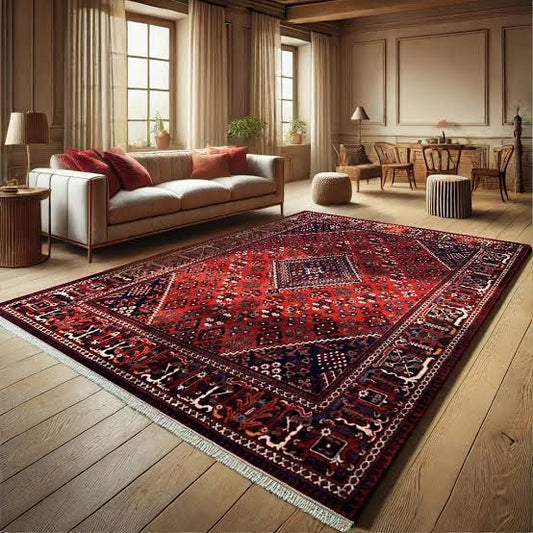
- Repeat a color from your rug: If your living room features a patterned rug or carpet, pull one of its accent colors into at least one cushion cover. This single trick instantly makes a room feel intentionally designed.
- Anchor with neutrals: Even in a bold, colorful room, one or two neutral or textured cushions (think oatmeal linen or soft grey boucle) give the eye somewhere to rest.
- Odd numbers feel more natural: Three or five cushions on a three-seater sofa tend to look more balanced than an even number.
Styling by Room and Sofa Type
Large L-shaped sofas and majlis seating can handle bigger cushions and more of them. Layer a mix of large floor cushions with standard sofa cushions for the relaxed, generous look common in traditional Gulf-style seating areas.
Compact apartment sofas benefit from sticking to two or three cushion covers in a tighter color palette, so the sofa does not feel overcrowded in a smaller room.
Reading nooks and accent chairs are a great place to introduce a bold pattern or color you might be hesitant to use across the whole sofa.
Coordinating Cushion Covers with Your Carpet and Rug
Cushions and carpets are the two largest fabric surfaces in most living rooms, which means they have the biggest combined impact on how a space feels. A few coordination strategies:
- If your carpet living area features a busy, multicolored pattern, keep your cushion covers simpler and let the carpet be the visual star.
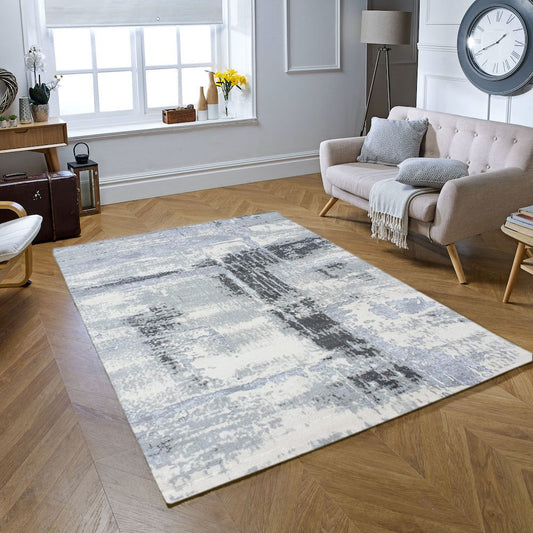
- If your carpet is a solid neutral, such as beige or grey, this is your opportunity to go bolder with patterned or textured cushion covers.
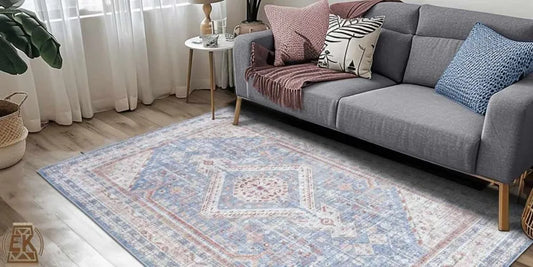
- For a calm, monochromatic scheme, choose cushion covers in varying shades and textures of the same color family as your rug, rather than a strong contrast.
- Round textiles, like a round rug in a reading corner, pair particularly well with round or bolster cushions, softening the geometry of square sofas.
Seasonal Cushion Cover Swaps
One advantage of investing in a few extra sets of cushion covers is the ability to refresh your home with the seasons:
- Cooler months (UAE winter): Richer tones such as deep green, burgundy, or mustard, along with heavier-feeling fabrics like velvet, create a warmer atmosphere.
- Summer: Lighter linens and cottons in whites, sandy neutrals, and soft blues keep interiors feeling fresh and airy.
- Festive seasons and Eid: Metallic threads, deep reds, and gold accents bring a celebratory feel without redecorating the entire room.
Caring for Cushion Covers in a Desert Climate
To keep your sofa cushions looking their best in Dubai's environment:
- Vacuum cushions weekly using an upholstery attachment to remove dust before it settles into the fibers.
- Rotate and flip cushions regularly to prevent uneven fading from sun exposure near windows.
- Choose removable, machine-washable covers wherever possible for easy maintenance.
- Keep a spare set of covers on hand so you can wash one set while using the other, particularly useful for households with children or pets.
Final Thoughts
Cushion covers are proof that small design decisions can have an outsized impact. By choosing fabrics suited to Dubai's climate, sizing your cushions correctly, and coordinating colors with your existing carpet and rug, you can transform your living room for a fraction of the cost of new furniture. At Handpicked Furniture, our sofa collection and carpet and rug range are designed to make this kind of coordinated styling effortless, whether you are refreshing a single sofa or designing an entire living room from scratch.
Looking for inspiration on building out the rest of your seating area? Take a look at our guide on choosing the perfect living room carpet rugs and cushion covers for a complete room-by-room approach.
Frequently Asked Questions About Cushion Covers
How many cushion covers should I put on a three-seater sofa? Three to five cushions is generally the sweet spot for a standard three-seater sofa. Fewer than that can look sparse, while more than five tends to overcrowd the seating space and leave little room to actually sit comfortably.
Should cushion covers match my curtains exactly? No, matching is rarely the goal. Instead, aim to repeat one or two colors or tones from your curtains within your cushion covers, while letting the rest of the palette vary slightly. Exact matching across every textile in a room can make the space feel flat rather than layered.
What is the best cushion cover fabric for a household with kids? Cotton and cotton-linen blends are usually the most practical option, since they are durable, machine washable, and hide everyday wear better than delicate fabrics like silk or pure linen.
Can I use the same cushion covers all year round? You can, but many homeowners find that swapping covers seasonally, lighter fabrics and colors in summer, richer tones and heavier textures in winter, keeps a room feeling fresh without any major redecorating effort.
How often should cushion inserts be replaced? Even with high-quality covers, foam or fiber inserts tend to lose their shape after two to three years of daily use. If your cushions look flat no matter how you fluff them, it is usually the insert rather than the cover that needs replacing.
Tags:
Previous
Carpets Dubai | Modern Rugs & Carpets UAE Online
Next
Round Rugs & Round Carpet: The Complete Styling Guide for UAE Homes
Related articles
Carpets Dubai | Modern Rugs & Carpets UAE Online
Jun 02 2026