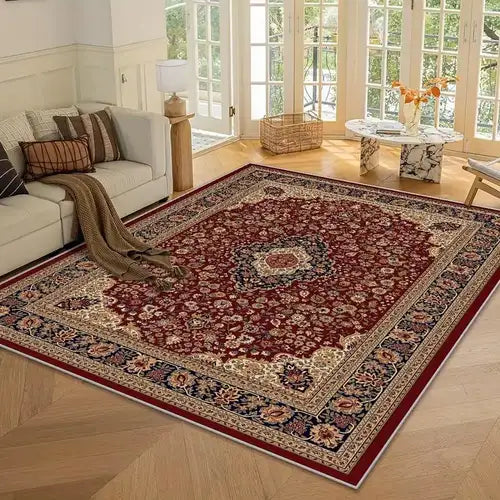
Lounge Room Rugs: The Ultimate Guide to Styling Your Lounge
The lounge is where the day winds down. It is where families gather after work and school, where guests are welcomed, and where a few quiet hours are spent on the sofa most evenings. Of all the elements that shape how a lounge feels, the rug is one of the most influential, yet it is often the last thing homeowners think about. Choosing the right lounge room rugs can transform a space from simply furnished to genuinely comfortable and well designed.
This guide walks through everything you need to consider when choosing a rug for your lounge, from sizing and material to how it works together with your sofa, cushions, and overall layout.
What Makes a Great Lounge Rug?
A lounge rug has a slightly different job than rugs in other parts of the home. It needs to:
- Anchor a seating arrangement, whether that is a single sofa, an L-shaped sectional, or a cluster of armchairs around a coffee table.
- Withstand frequent foot traffic, since the lounge is typically one of the most-used rooms in the home.
- Feel comfortable underfoot, since lounges are often where people sit on the floor, especially in homes with children.
- Coordinate visually with the sofa, cushions, and surrounding decor to create a cohesive sitting room carpet arrangement rather than a collection of mismatched pieces.
Sizing Your Lounge Room Rug Correctly
Sizing mistakes are the most common issue in lounge styling, and they are almost always a case of a rug being too small for the room. A general rule that designers rely on:
- Best practice: All furniture legs (sofa, armchairs, coffee table) sit on the rug. This creates a fully grounded, intentional look.
- Acceptable alternative: Only the front legs of the sofa and chairs rest on the rug, with the back legs off it. This works well in slightly smaller lounges where a full-coverage rug is not practical.
- Avoid: A rug so small that it floats in the middle of the room, disconnected from any furniture. This is the most common mistake and instantly makes a lounge feel unfinished.
As a practical starting point, most lounges work well with a rug somewhere between 200x300 cm and 300x400 cm, depending on the size of the room and seating arrangement. Larger, open-plan lounges may call for an oversize rug in the 400x500 cm range to properly fill the space.
Choosing the Right Shape
While rectangular rugs remain the most common choice for lounges, shape should follow the layout of your furniture:
- Rectangular rugs suit traditional sofa-and-coffee-table arrangements and L-shaped sectionals.
- Round rugs work well in lounges with a circular seating cluster, such as armchairs gathered around a round coffee table. Our dedicated guide on round rugs and round carpets covers this in more depth.
- Runner-style rugs can be useful in narrow, galley-style lounges or as a transitional piece between the lounge and an adjoining hallway.
Material Considerations for a High-Traffic Lounge
Because the lounge tends to see more daily use than almost any other room, material choice matters more here than in lower-traffic spaces like a formal dining room.
Wool rugs are the most popular choice for lounges thanks to their durability, natural stain resistance, and comfortable feel underfoot. They tend to look better for longer under heavy, repeated use.
Low-pile and flatweave rugs are a practical choice for lounges with children or pets, since they are easier to clean and less likely to trap crumbs, pet hair, or spilled liquids deep in the pile.
Shaggy and fluffy rugs prioritize comfort, ideal for lounges where people frequently sit or lie directly on the floor, though they require slightly more maintenance to keep looking fresh. See our full comparison of wool versus fluffy carpets if you are weighing up these two options.
Hand-tufted and hand-knotted rugs bring a more artisanal, textured look and often become the standout piece in a lounge's overall design.
Color and Pattern: Setting the Mood of Your Lounge
The color of your lounge rug sets the tone for the entire room more than almost any other single decision.
- Neutral tones (beige, cream, soft grey) create a calm, flexible backdrop that is easy to restyle around as trends or seasons change.
- Bold, patterned rugs work well as a statement piece in an otherwise simple, neutral lounge, instantly adding personality and visual interest.
- Darker tones are practical choices for busy households, since they are more forgiving of everyday marks and spills.
- Layered, multicoloured designs suit eclectic, maximalist lounges and pair particularly well with a mix of textured cushions.
Coordinating Your Lounge Rug with Sofa and Cushions
A lounge feels cohesive when the rug, sofa, and cushions are considered together rather than chosen separately.
- If your sofa is a bold or patterned fabric, choose a simpler, more neutral rug to avoid visual competition.
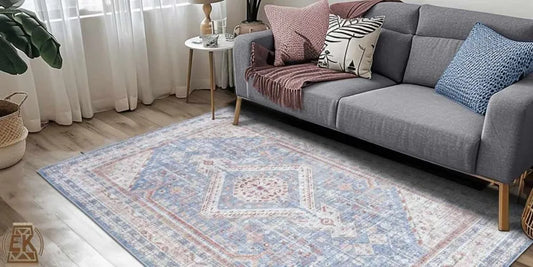
- If your sofa is a solid neutral color, this is your opportunity to introduce a patterned or colorful rug as the room's focal point.
- Use sofa cushions to bridge the rug and sofa together. Pulling one or two accent colors from the rug into your cushion covers is one of the simplest ways to make a lounge feel professionally styled. Our cushion covers styling guide goes into more detail on building this kind of coordinated look.
- Keep your coffee table and side tables in materials (wood, glass, metal) that complement rather than compete with the rug's color palette.
Layering Rugs in Larger Lounges
In larger or open-plan lounges, layering two rugs, a larger neutral base rug with a smaller, more decorative rug placed on top or nearby, adds depth and helps break up an otherwise large, flat expanse of flooring. This technique works particularly well in lounges that flow directly into a dining or entryway space, since it helps visually separate the zones without needing a physical wall.
Lounge Rugs for Different Household Needs
Families with young children often do best with durable, stain-resistant materials in mid-tone colors that hide marks well, paired with a slightly thicker pile for comfortable floor play.
Pet owners should prioritize low-pile, easy-to-clean rugs, ideally in synthetic or tightly woven wool blends that resist shedding fur and are simple to vacuum.
Entertainers who frequently host guests may want to invest in a higher-end wool or hand-knotted rug as a long-term centerpiece, since the lounge is often the room guests see and sit in the most.
Minimalist households tend to gravitate toward solid neutral rugs in natural fibers, keeping the lounge calm and uncluttered.
Caring for Your Lounge Rug
Because lounges see daily use, a few consistent habits will keep your rug looking its best for years:
- Vacuum at least once or twice a week, more often in households with children or pets.
- Rotate the rug every few months to even out wear and sun exposure, particularly important near windows.
- Use a rug pad underneath, both to prevent slipping on tiled or marble floors and to extend the rug's lifespan.
- Address spills immediately by blotting rather than rubbing, and consider professional cleaning annually for wool or natural fiber rugs.
Final Thoughts
The right lounge room rug does more than fill empty floor space, it brings the whole room together, sets the tone for relaxation, and ties your sofa, cushions, and furniture into one cohesive design. By getting the size, material, and color right, you can create a lounge that feels both comfortable and intentionally styled.
Browse our full carpet and rug collection to find the right fit for your lounge, or read our complete guide to the best sitting room carpet for more room-specific buying advice.
Frequently Asked Questions About Lounge Room Rugs
What size rug do I need for a standard lounge? Most lounges work well with a rug between 200x300 cm and 300x400 cm, though the right size ultimately depends on your room dimensions and furniture layout. The key guideline is ensuring at least the front legs of your sofa and chairs rest on the rug.
Should my lounge rug match my sofa color exactly? No, matching exactly often looks flat. A more effective approach is choosing a rug that complements or contrasts thoughtfully with your sofa, then using cushions to bridge the two together with a shared accent color.
What is the most durable rug material for a busy lounge? Wool is widely regarded as the most durable, practical option for high-traffic lounges, offering natural stain resistance and long-lasting performance. Low-pile synthetic rugs are a strong, budget-friendly alternative for households with children or pets.
Can I put a rug over carpet flooring in my lounge? Yes, this is a common and effective styling technique, particularly when the existing carpet is a neutral, wall-to-wall installation. A patterned or textured area rug on top adds definition and visual interest to the seating area.
How do I stop my lounge rug from sliding on tiled floors? A good quality, properly sized rug pad placed underneath is the most reliable solution. It prevents slipping, protects the rug's backing, and adds a small amount of cushioning that improves comfort underfoot.
العلامات:
مقالات ذات صلة

Carpets Dubai | Modern Rugs & Carpets UAE Online
Jun 02 2026